In a ceremonial passing of the baton in Malmö, Leipzig was officially announced as the host city for the European Forum on Urban Forestry (EFUF) 2027. The conference will bring together forestry and arboriculture experts from across Europe and beyond to exchange...
Green Future Ride 2026: Exploring Urban Forestry Across Borders
Green Future Ride 2026:
Exploring Urban Forestry Across Borders.
What if the journey to a conference became part of the learning experience itself?
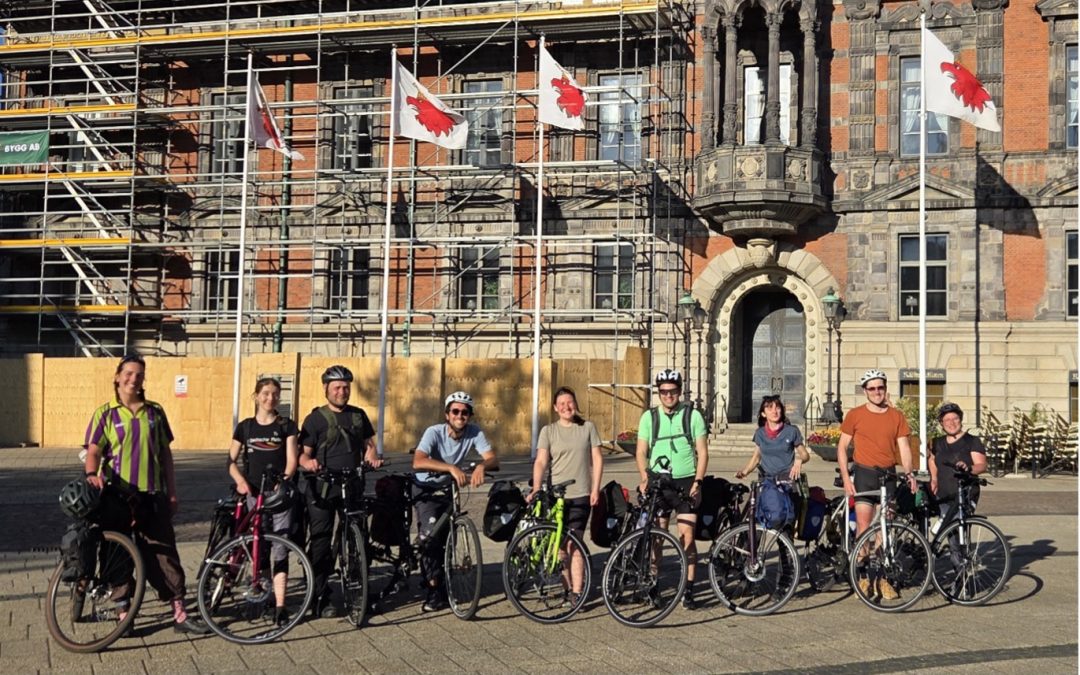
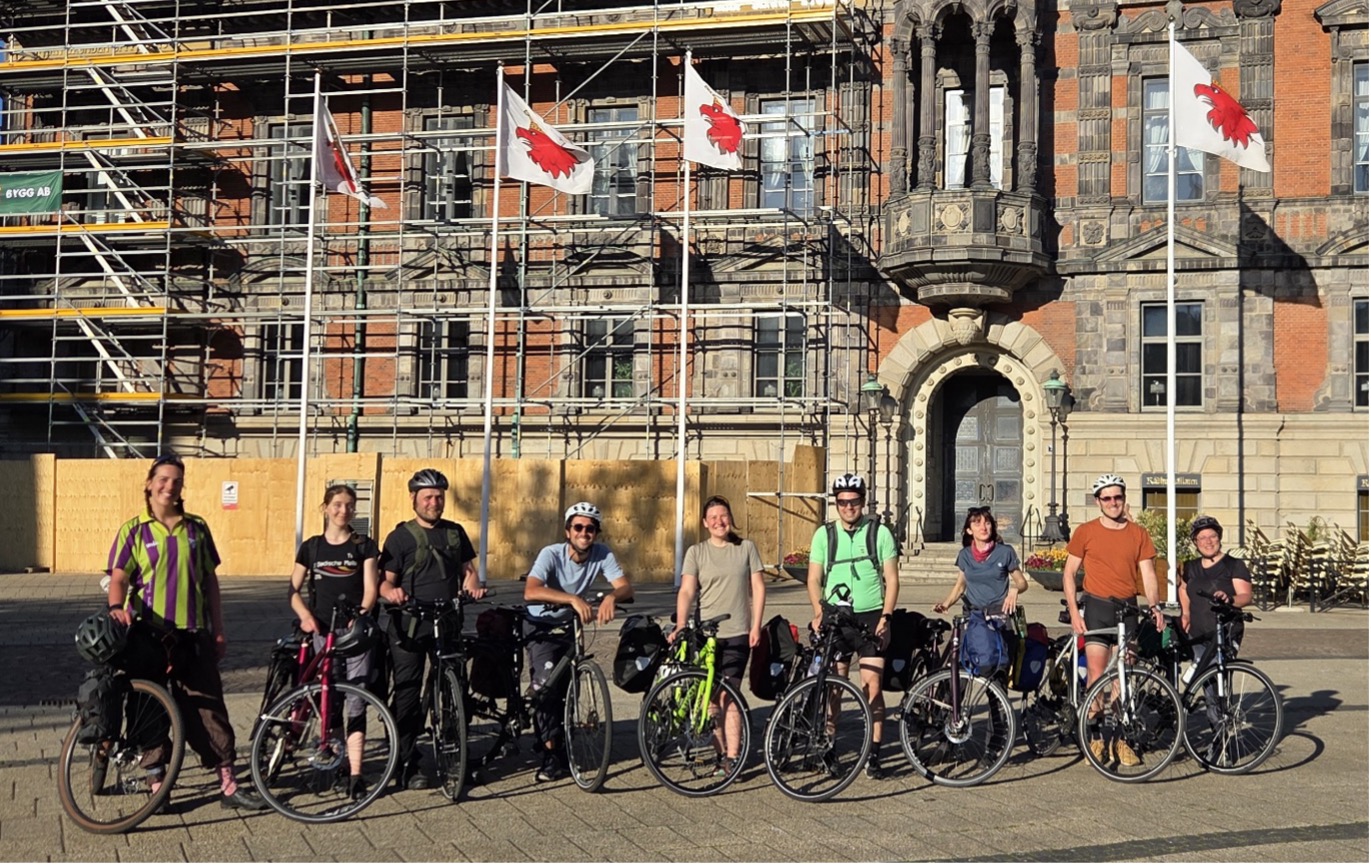
That was the idea behind the Green Future Ride 2025, an initiative organised through the EFUF NextGen network.
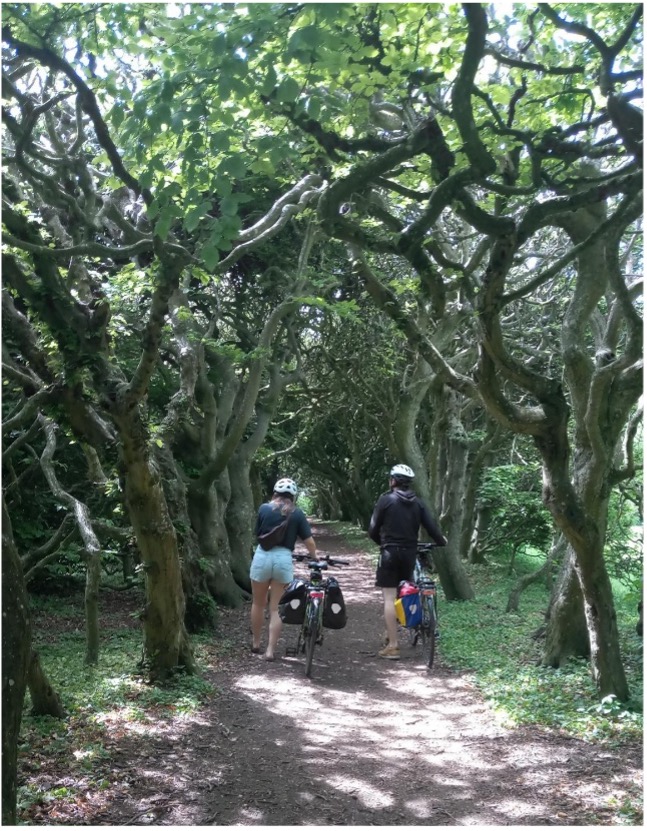
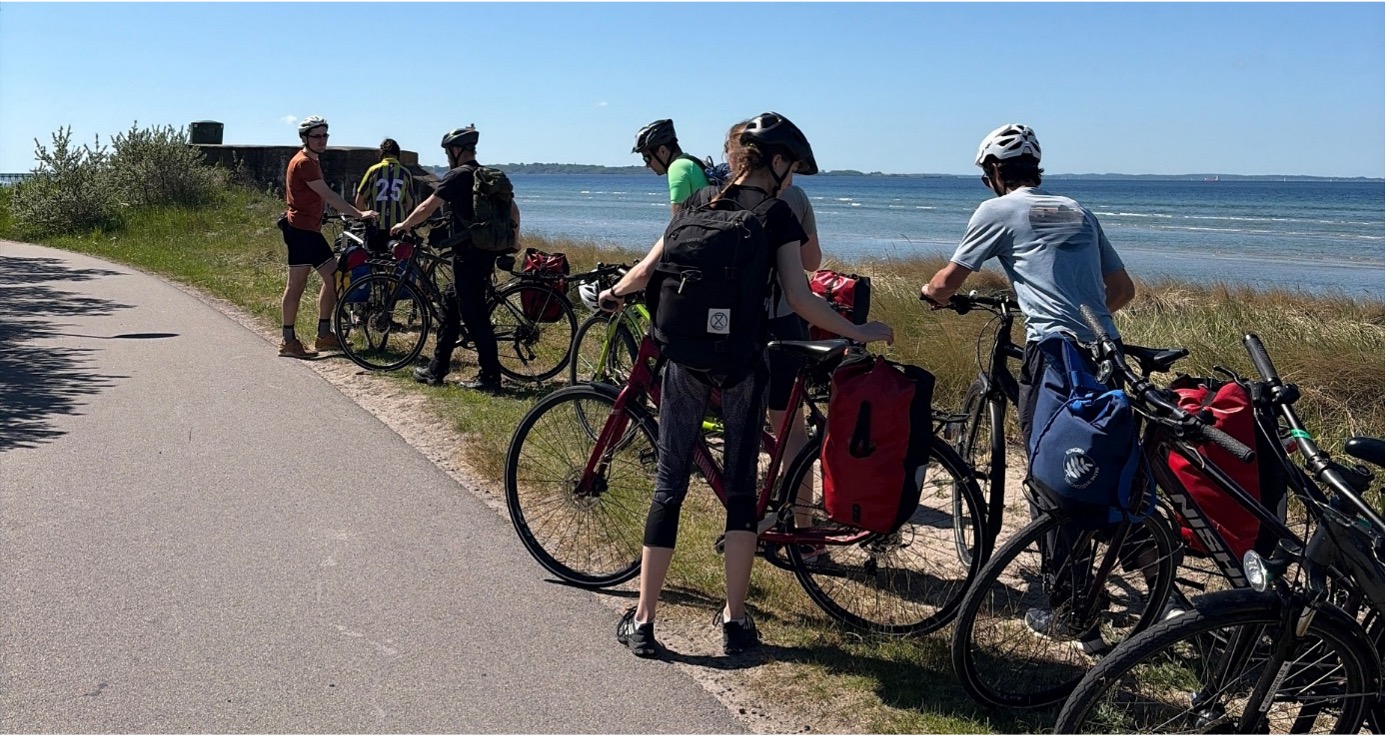
Before arriving at the European Forum on Urban Forestry (EFUF) in Malmö, a group of students, researchers, and early-career professionals from across Europe spent several days cycling through Denmark and southern Sweden.
The aim was not simply to reach the conference, but to experience urban forestry, landscape architecture, climate adaptation, and sustainable mobility first-hand.
Along the way, participants explored innovative green spaces, discussed urban challenges, and built connections that extended far beyond the conference itself.
A city designed for cycling
The journey began in Copenhagen, a city where cycling is deeply embedded in everyday life and urban planning. Over half of the residents use daily cycle lanes, cyclist-friendly traffic lights, countdown systems, resting rails at intersections, and clear route hierarchies create a safe and efficient mobility network. Travelling by bike offered a unique perspective on the city’s green infrastructure. Street trees, parks, green corridors, and urban forests revealed themselves as connected elements within a larger urban landscape. For many participants, Copenhagen demonstrated how thoughtful design can encourage sustainable mobility and gave the group and in doing so gave the group their first tangible experience of the improved quality of life this brings.
Learning from urban resilience
One of the inspiring stops was Enghaveparken, a historic park that has been transformed into a multifunctional climate adaptation project capable of retaining approximately 22600 cubic metres of rainwater during extreme storm events. Integrated levee structures, underground storage systems, retention basins, water channels, and recreational facilities allow the park to function both as public green space and as critical urban infrastructure.
The participant discovered how individual squares and open spaces can be designed to be multifunctional, so that both the needs of the local population and the prevention of extreme weather disasters in densely populated areas can be addressed.
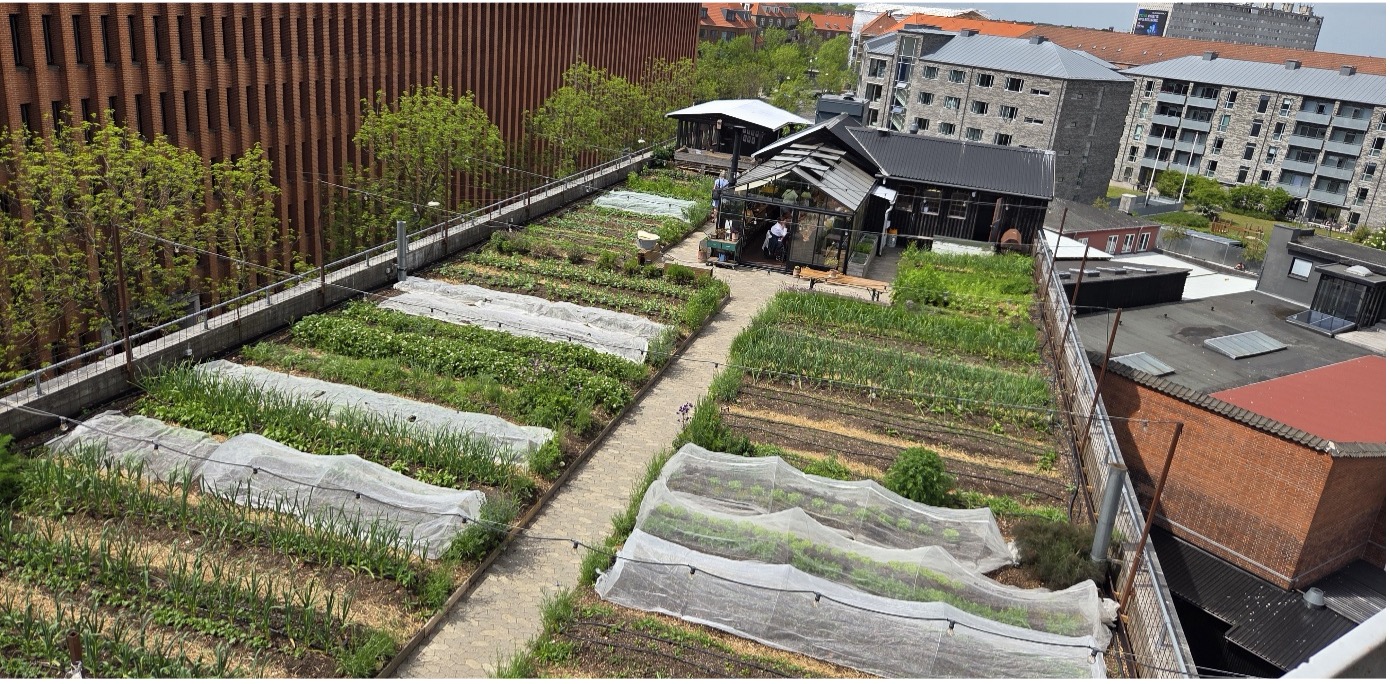
Another highlight was ØsterGro, Denmark’s first rooftop farm. Built on top of a former car dealership building, the project combines food production, biodiversity, environmental education, and community engagement.
For the group, the project overlooking the city was a source of inspiration, demonstrating how, with just a few initiatives, an idea can be turned into an exemplary space where rooftop production and consumption in the adjacent greenhouse can go hand in hand.
Historic Landscapes and Living Heritage
The excursion also explored how cultural heritage and urban forestry intersect.
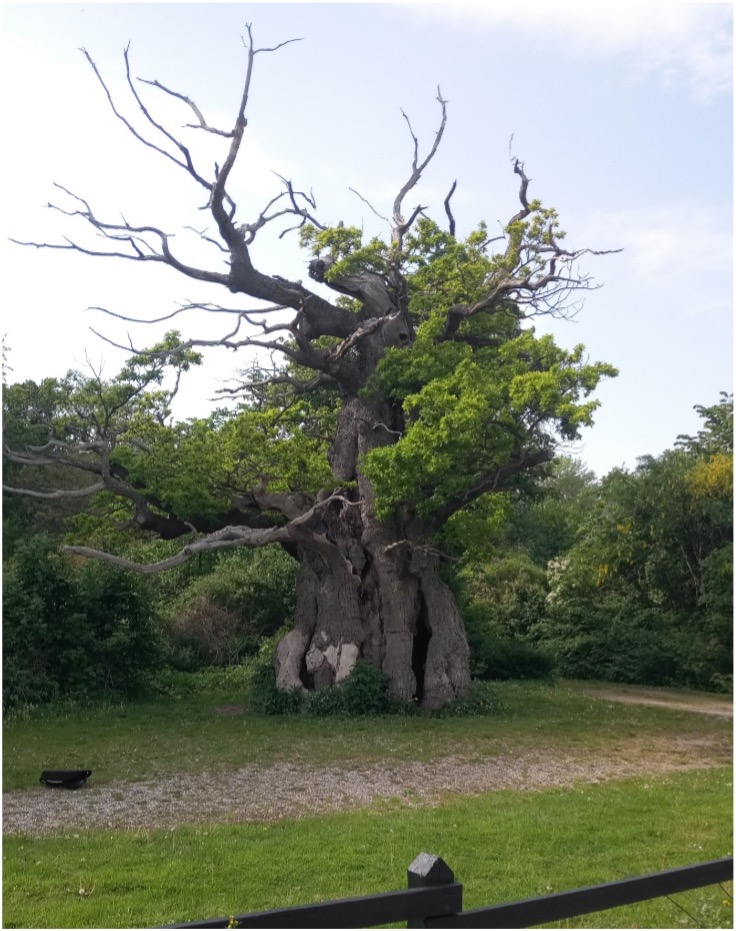
At Charlottenlund Palace Park and Jægersborg Dyrehave, participants encountered landscapes shaped by centuries of history. Among the highlights were some of Denmark’s oldest trees, including the legendary Skovfogedegen oak, estimated to be around 850 years old.
These veteran trees sparked discussions about ecological continuity, conservation, and the long timescales involved in managing trees and landscapes. They served as powerful reminders that urban forestry often requires thinking far beyond a single generation.
The group also visited the Karen Blixen Museum, where cultural heritage and biodiversity conservation come together. Following the author’s wishes, the surrounding landscape was protected as a bird sanctuary and remains an example of how individual visions can leave lasting ecological legacies.
From Denmark to Sweden 🚴_🚴♀️_🚴♂️
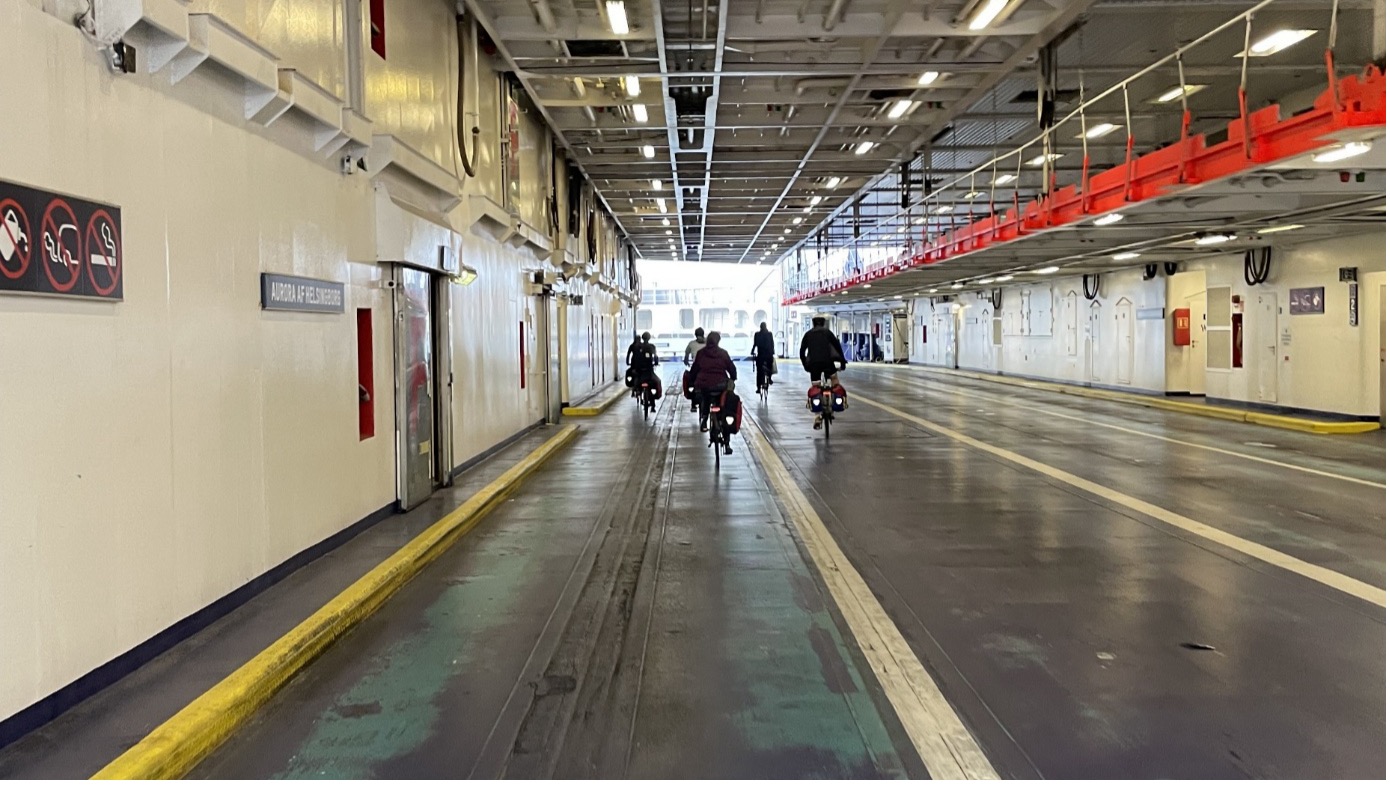
Crossing the Øresund strait into southern Sweden marked the next stage of the journey. Travelling slowly by bicycle allowed participants to observe subtile differences in landscape character, urban form, and management approaches, encouraging discussions about how geography and culture influence urban forestry across Europe.
In Helsingborg, participants took on a more active role. Divided into small teams, they explored local landscapes, collected observations, and presented their findings to the group:
1) Ecological transition from the coastline to Palsjö Forest: examining how vegetation and habitats change across the landscape.
2) Relationship between trees, design, and visitor experience at Sofiero Palace and Gardens.
3) How trees contribute simultaneously to biodiversity, recreation, education, and cultural heritage at Fredriksdal Museum and Gardens.
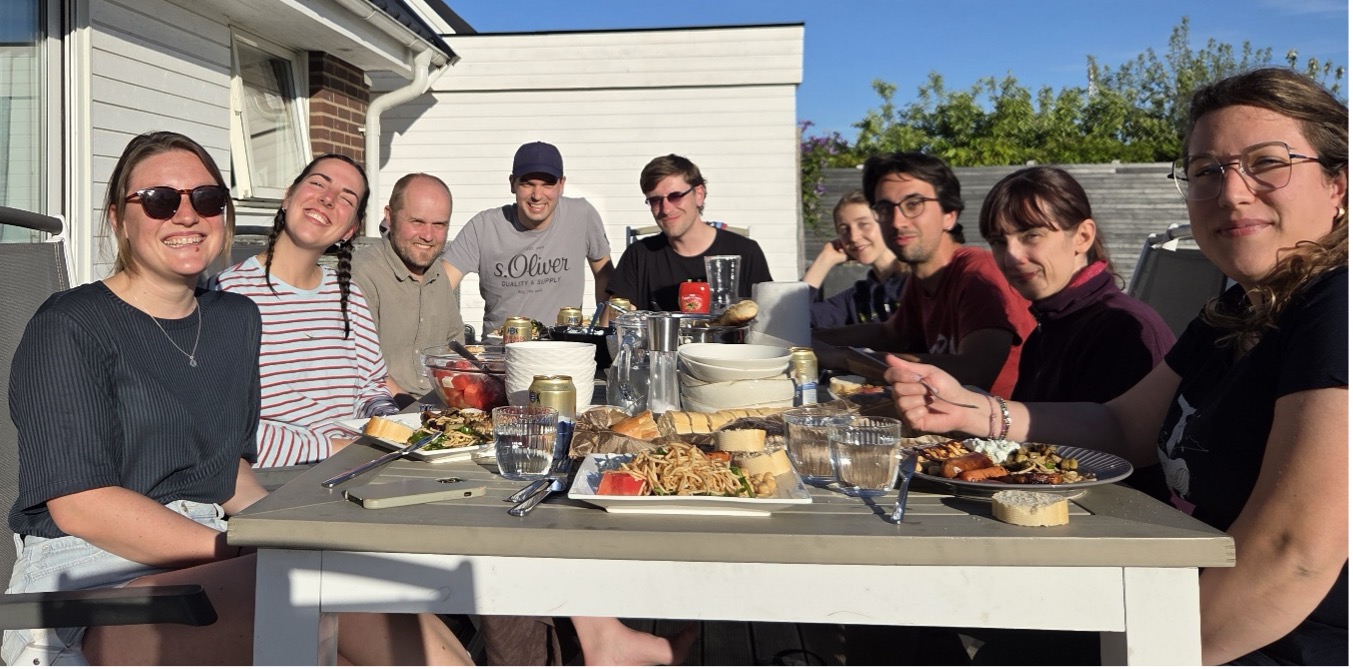
Later, over a delicious BBQ dinner, the group shared and discussed their experiences. With this exercise each person got encouraged by critical thinking, teamwork, and observation skills, which was a pleasant change in a smaller group.
More than a study tour…
While the sites themselves offered valuable lessons, many participants considered the conversations and shared experiences equally important.
Throughout the journey, discussions ranged from urban forestry and climate adaptation to career development, research and work challenges, and personal aspirations.
Shared rides, meals, and collaborative fieldwork created space for meaningful exchanges that unfortunately rarely occur during formal conference sessions!
Ultimately, the Green Future Ride demonstrated that investing in young professionals means investing in the future of urban forestry itself.
Participants arrived in Malmö with new knowledge, fresh perspectives, and a stronger network of colleagues and friends from across Europe.
At a time when cities face growing challenges related to climate change, biodiversity loss, and urban resilience, initiatives like the Green Future Ride show the value of combining sustainable travel, experiential learning, and international exchange. The journey proved that sometimes the most valuable part of a conference begins long before the opening session by just being active together.
News & Updates
Leipzig Takes the Baton for the European Forum on Urban Forestry 2027
EFUF2026 – Book of Abstracts
The Book of Abstracts is available at https://dx.doi.org/10.5281/zenodo.21277624 (updated version). Corrections Luisa Di Lucchio is affiliated with the Urban Biodiversity Hub (UBHub) Session 4 (Thursday 28 May): The title of the talk by Lorenzo Rotella will be ""An...

NextGen – Welcome Webinar 30.11.2025
Join our EFUF Welcome Webinar next week, an open session to discover who we are, what we do, and how you can get involved as young member of EFUF.
Webinar: Integrating successful co-management in the forest sector
Join us to discover practical approaces, lessons learned and innovative models for collaborative forest governance that can help restore nature, strenghten climate resilience and improve forest management. A space to share experiences, learn from other territories...
Webinar: Urban forests for climate change adaptation
As cities face rising temperatures, urban forests are emerging as a practical tool for climate adaptation. Urban forests for climate change adaptation: nature-based solutions to reduce urban heat islands, the second session in the EFI Biocities webinar series,...
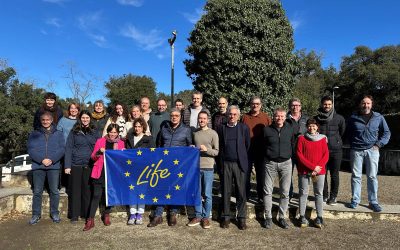
LIFE Metroforest – improving adaptive agroforestry management in metropolitan forests
Innovative tools and processes for the promotion of adaptive agroforestry management, the conservation and improvement of biodiversity and ecosystem services in Mediterranean metropolitan forests. The Barcelona Serra de Collserola Natural Park as a test bed.